
Those who cannot remember the past are condemned to repeat it
George Santayana
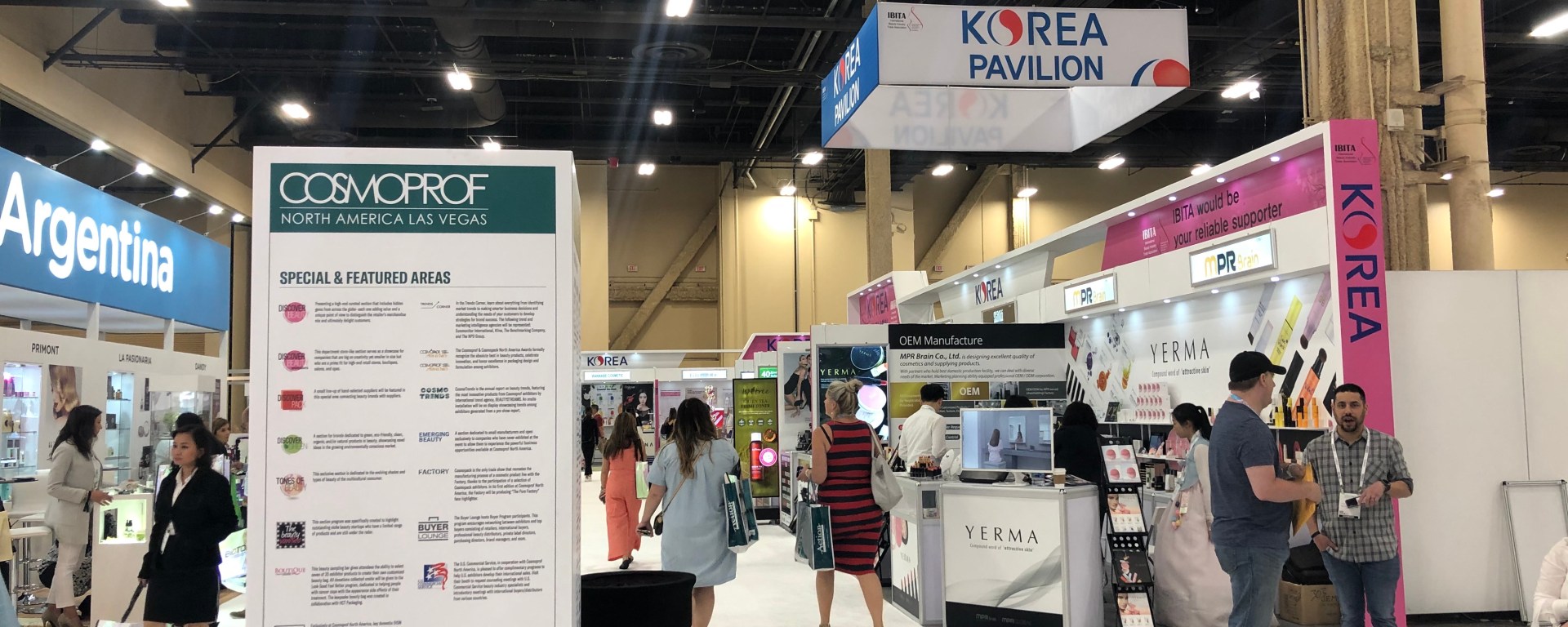
I’m now living back in the South again — Nashville, Tennessee to be exact. Around this time last year I was in Vegas for CosmoProf, THE beauty industry trade show in North America to see and be seen. Floors with wall-to-wall booths of the latest brands, product innovations and formulations, packaging and manufacturing under the most bright fluorescent lighting you’ve ever seen. It truly felt like some parallel universe.
By this time I had been living in Korea for about four months and attended trade shows in Bangkok and Shanghai, so I welcomed coming back to the states with open arms. It was the longest amount of time I’d ever been out of the U.S. so all I could think about was speaking English and eating American comfort food. FINALLY.
Beauty in these places really gave me some valuable perspective, not only in reflection of my own experiences, but within American and Korean beauty standards as a whole. Something I’ll save to write about for another day. Just know that there is much more to come on that subject. But let’s bring it back to why I’m here, writing again now after a year of being back in America.
Those who fail to learn from history are condemned to repeat it.
Winston Churchill
Lessons from the past may not always prevent us from making mistakes but they can provide valuable insights to help us in the future.
As I’ve researched deeper into the history of adoptions out of Korea, there are so many lessons I feel are necessary to bring into the conversations of today that are missing. Transnational adoptions began in South Korea after the Korean War, and this type of history is not something I was taught in school, so growing up I didn’t think about the larger macro influential factors at play here in regards to the historical, social, economic and even geo-political reasons that contributed to being adopted from Korea. I like many of us grew up in isolation from Asian communities much less other Korean adoptees, so I felt my experience was singular and therefore honestly never thought that there were other people in the world like me.
I had the great privilege to be interviewed by my dear friends and co-Founders of Triluna Wellness, Elizabeth Moore and Ashley Brooke James on their podcast, The Wellness Community Magic Podcast. These women are doing important, meaningful work in the wellness space that I know will heal and empower different communities to have the right conversations and create real change.
As many of you know, I sold everything and left the life I built for five years in San Francisco and moved to Seoul in 2019. Yes it was on whim, and I did not think everything through as well as I probably should have beforehand. Yes there are days I live with regret because it took me to dark places I wasn’t emotionally, mentally or even physically prepared for at the time. But as with any great risk, comes great reward. And for me, that’s the opportunity I was given to share my voice as a Korean adoptee and really feel heard and seen for probably the first time in my life, while sharing my journey with you.
Going to South Korea allowed me to see the complexity of its history, culture and society manifested in ways that allowed me to gain more empathy and compassion for Korea and all it has endured and overcome. Asking critical questions about the role international adoption played in history is important not just for me but for the future of international adoption.
So with that I’m relaunching Love Letters to Korea but shifting focus as a way to continue the conversation around international and transracial adoption through focused themes of history and culture, race and geo-politics and identity formation. I won’t be sharing the same play-by-play daily experiences in Korea, but I will be sharing an introspective look at each of these themes through my own personal experiences and (hopefully) others’ very soon. Thanks for reading and listening, and I hope to inspire you to have the kind of conversations that build empathy and connection in the ways that enrich your life as well as others’.
 Love Letters to Korea